
Narrow By
2 Products
Middle School ELL
Ready for the
next chapter?
Subscribe for updates on the latest literacy tools, CPD opportunities and expert advice.
Begin anew!


Recommended for you...
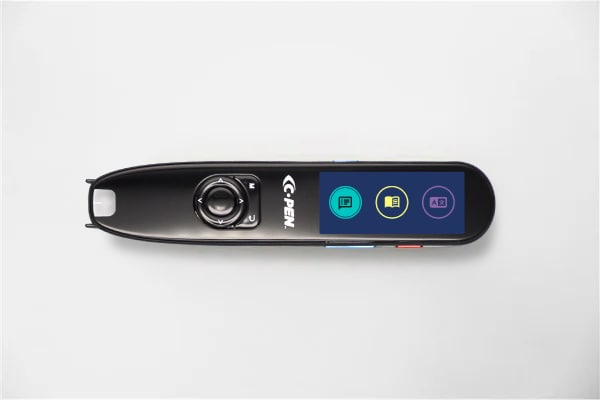
C-Pen Reader 3
It’s the perfect reading pen for every literacy and language need!
New
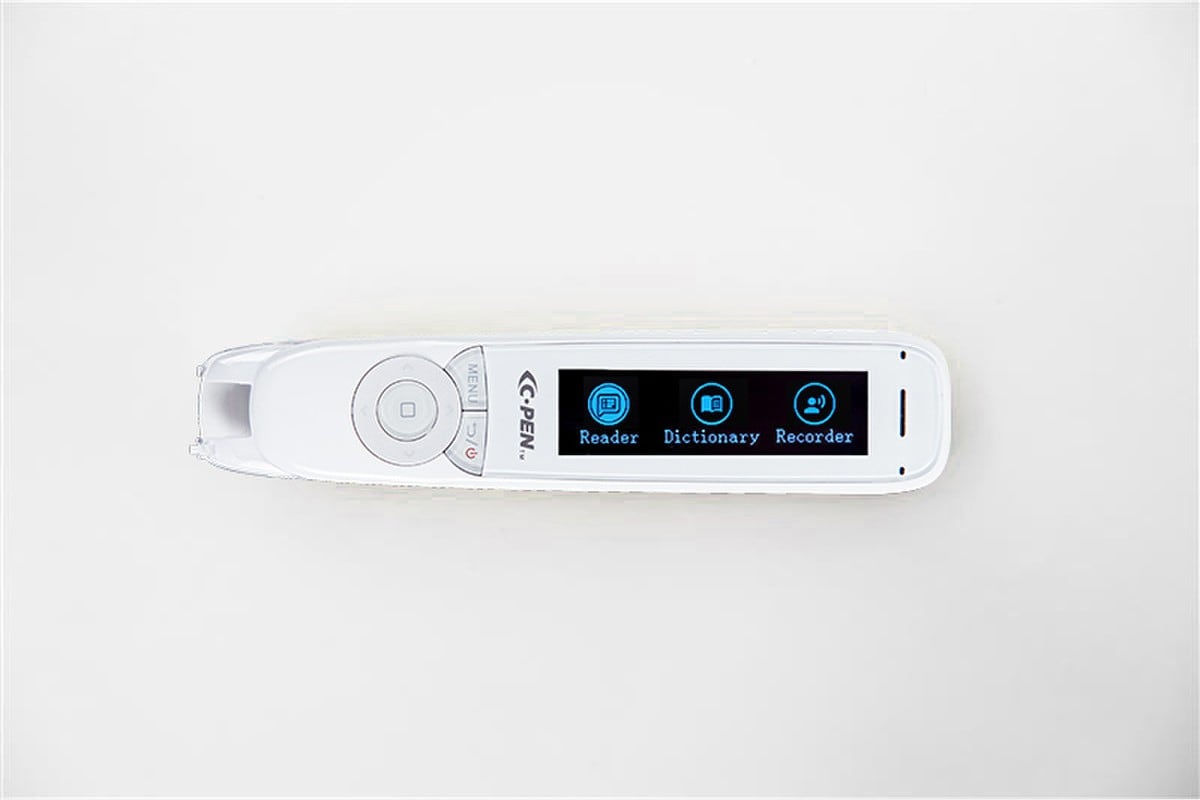
C-Pen Reader 2

Have you ever wanted an ELL teacher available all school year?
Learning in English can be tough when it’s not your native language. Since it’s the main language for tests and lessons, ensuring ELL students can comprehend and learn is crucial. But how can you provide support when students need help at different levels, and you only have an hour-long class?
Consider using text-to-speech reading technology. It allows you to meet your students’ needs and offer support exactly when and where they need it most.
It’s easier when we let learners lead the way
It’s important to support English reading, but ELL accommodations need to be agile too: ELLs have different skill levels, different strengths and weaknesses, and different language immersion at home. When we put the power to self-support in their hands it means that no learning time is wasted. They can simply listen, understand, and focus on building their skills.
Finding the right ELL accommodations for tests
There’s a national shortage of ELL teachers — and even if you can find enough, students don’t want to test in a separate room, or with a teacher sitting next to them.
Schools need tools that mean every learner who needs ELL accommodations in tests can have access to them without breaking the bank. That’s where your recommended C-Pen Exam Reader 2 comes in: test-safe, zero-storage reading support that’s discreet and cost-effective.

Here’s how C-Pen Reader 2 is changing reading for the better in the US:
Check out our free trials for schools!
We know that you want to explore for yourself and discover how these devices could support reading in your own classroom. That’s why we offer a FREE trial for schools and educators
Get In touch with Education Experts
Our team are on-hand to ensure you pick the perfect pen!
Complete the form, below to request a call--back from our team. Whether you're looking for more information or a quote - we're more than happy to help!
We aim to get in touch with you within 2-3 working days. Taking too long? Give us a call.
.jpg)